Washington state grapples with the AI data center boom
Washington state grapples with the AI data center boom
|
|
This week, we’ll take you inside a data center in Quincy, sit down with the town's mayor, and take a closer look at a controversial energy project.
|
|
As data centers multiply, Washington cities call time-out
|
|
|
The construction of data centers is far outpacing regulations; in Washington state, there are already approximately 126 data centers and related facilities with a footprint of nearly 7 million square feet, according to the research firm Baxtel. Earlier this summer, the Seattle City Council passed an emergency moratorium on data center construction within city limits, and ten other Washington cities have passed similar legislation. The primary concern is electricity demand, which will strain the state’s already overburdened electrical grid. City Councilmember Eddie Lin said that there’s a potential “win-win” situation where data center companies help build out the grid, but legislation must be given time to catch up.
|
|
An inside look at Quincy's data center boom
|
|
|
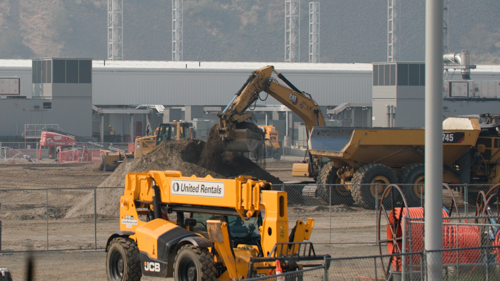
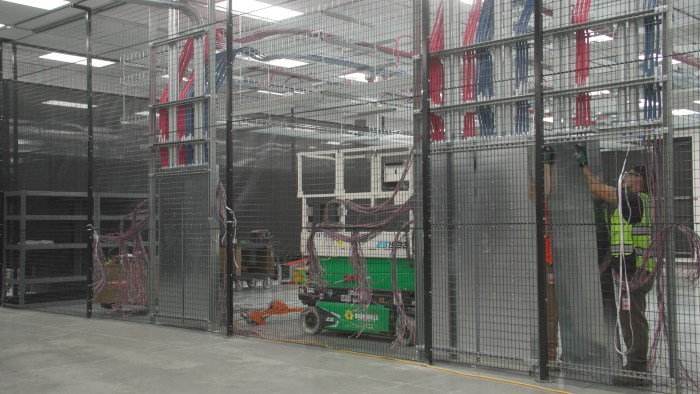
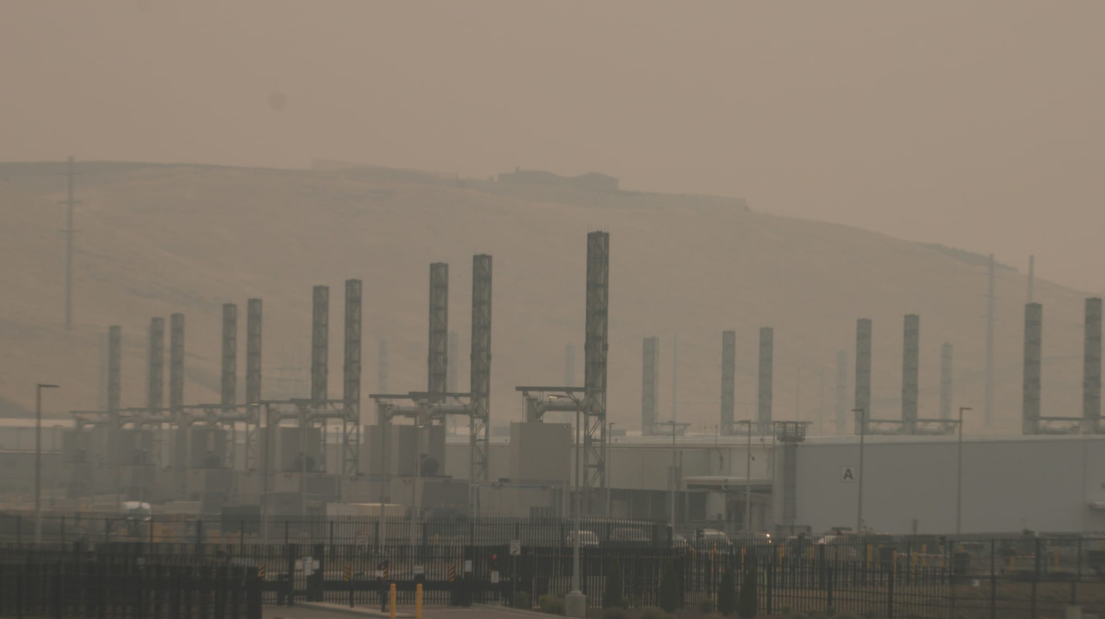
By one estimate, there are now 56 data centers in the small Central Washington town of Quincy. The Newsfeed went inside one of these. Past a security desk and security gate stretch hallways wide enough to roll a pallet of servers through. Windowless metal doors lead to four data halls, each covering 40,000 square feet. Inside the data hall, rows of servers sit back-to-back to each other. The ends are enclosed in their own boxes to contain the hot air the servers emit, and fans pull that air into cooling rooms where it is chilled down with water. Outside, that same water gets cooled and recirculated back through the closed-loop system. Some customers have leased just a handful of server cabinets, while others take over entire buildings. These companies include banks, hospitals, airlines and streaming services.
|
|
Data center questions surround Central Washington energy development
|
|
|
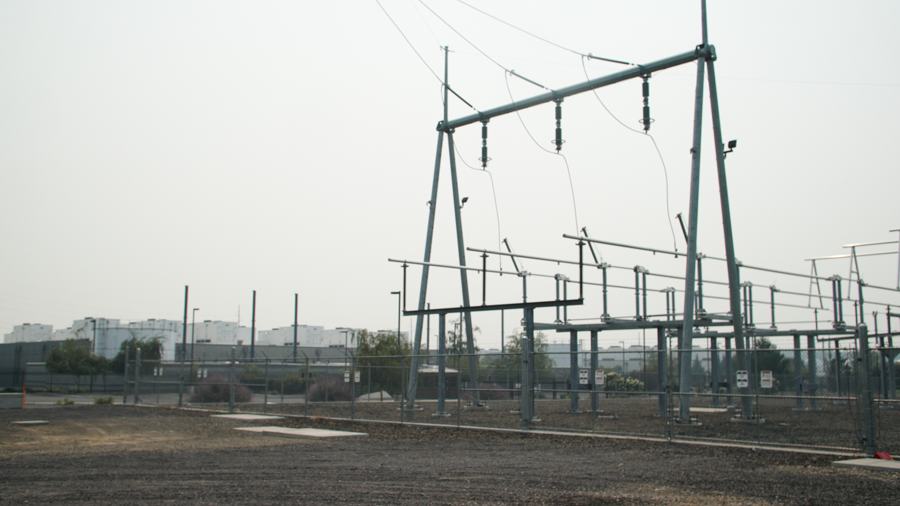
More data centers mean more demand for power, at a time when the state is already reportedly facing an energy shortfall. Developers of a storage pump in southern Washington say the facility they’re building would generate enough energy to power half a million homes — but the project has faced persistent pushback from the Yakama Nation, who say the project site has major cultural and historic significance to them. Recent local news reports on the Goldendale Storage Pump tied it to a nearby data center being developed by the same owner. But the developer refutes this claim, saying the pump project is not linked to the prospective data center.
|
|
Two decades of data centers: Quincy mayors look back
|
|
|
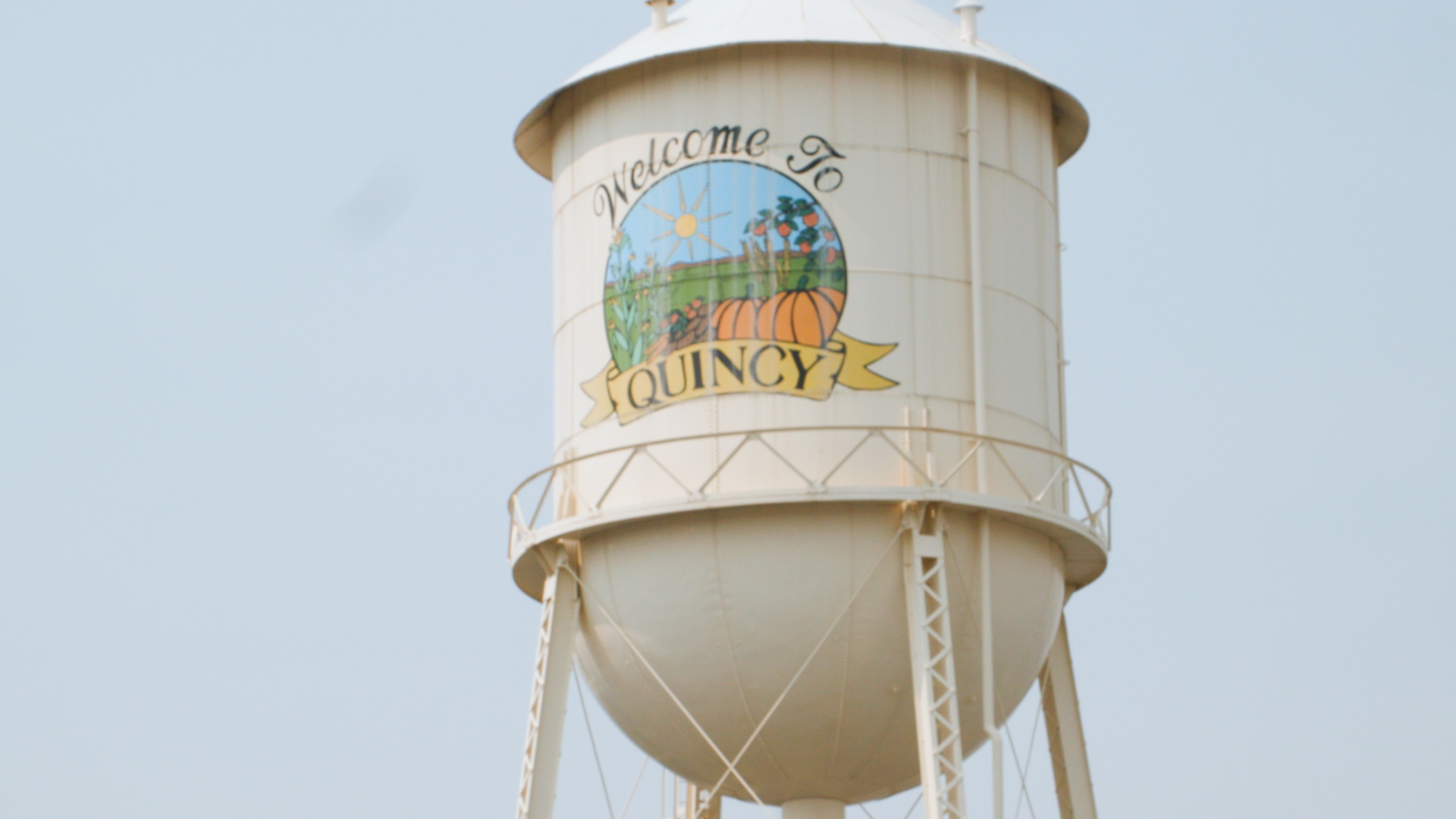
The Newsfeed sat down with the current and former mayors of Quincy, Washington, which is at the center of the state’s AI data center boom. Cheap hydropower and cheap land turned the small town into a data center hub nearly 20 years ago, and thanks to the associated tax revenue, it’s been able to build new police and fire stations, a hospital, city hall and recreation center. But, said former Mayor Patty Martin, “there's still the unknown of water, electrical use” associated with AI. Martin, who was mayor from 1993-1997, said the town, which was once an agricultural community, is now “controlled” by faraway, massive corporations who own huge swaths of former farmland, a dynamic that concerns her as new and larger data centers are constructed to support AI.
|
|
Washington's next data center boom comes with real tradeoffs
|
|
|
As Microsoft breaks ground on a massive new data center in Chelan County, many local residents have been vocally opposed. Kirk Hudson, general manager of the Chelan Public Utility District, said that their customers are concerned about the center’s long-term energy demands. Meanwhile, Matthew Hepner, an East Wenatchee Councilmember and IBEW Union official, said that Central Washington needs the tax revenue data centers generate, and wants to see the state build more clean energy to supply them: “If we drive data centers out from here, they're going to go to the South, and they're just going to run the entire thing on diesel.” Meanwhile, about 10 miles south of Quincy, residents are fighting to stop a transmission line from ending up in their front yard. |